Frederick Law Olmsted
(1822–1903)
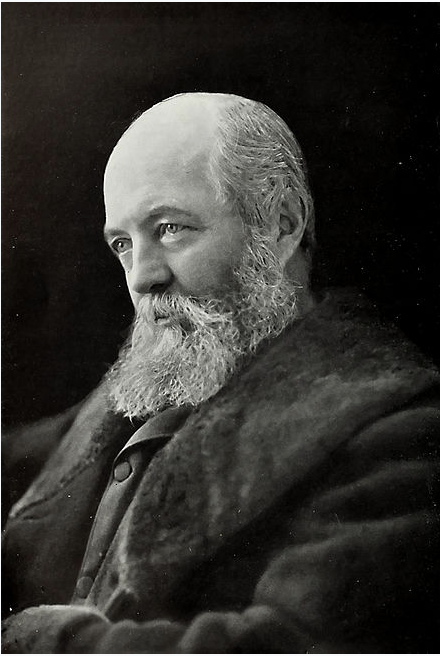
Frederick Law Olmsted (1822–1903) was an American landscape architect, journalist, social critic, and public administrator, widely regarded as the father of American landscape architecture. His vision and work shaped the aesthetics and functionality of public spaces across the United States, leaving a lasting legacy of urban parks and natural landscapes that continue to inspire and sustain communities.
Born on April 26, 1822, in Hartford, Connecticut, Olmsted was the eldest son of John Olmsted and Charlotte Law Olmsted. His upbringing in rural Connecticut instilled in him a deep appreciation for nature and the outdoors. Although his formal education was limited—he attended Yale College briefly but did not complete a degree—Olmsted’s keen intellect and curiosity led him to self-educate in various fields, including engineering, farming, and literature.
Olmsted’s early career was diverse and somewhat unconventional. He worked as a surveyor, seaman, and scientific farmer, gaining valuable insights into land management and the natural world. His experiences as a farmer and his observations of European landscape design during a tour of England in the early 1850s significantly influenced his later work as a landscape architect.
Before embarking on his career in landscape architecture, Olmsted gained prominence as a writer and social critic. He worked as a journalist and editor for several publications, including The New York Daily Times (later The New York Times), where he reported on topics ranging from urbanization to slavery. His travels through the American South in the 1850s resulted in a series of influential articles and books, including A Journey in the Seaboard Slave States (1856) and The Cotton Kingdom (1861). These works provided detailed accounts of the economic and social systems of the South, earning Olmsted recognition as a thoughtful and incisive commentator on contemporary issues.
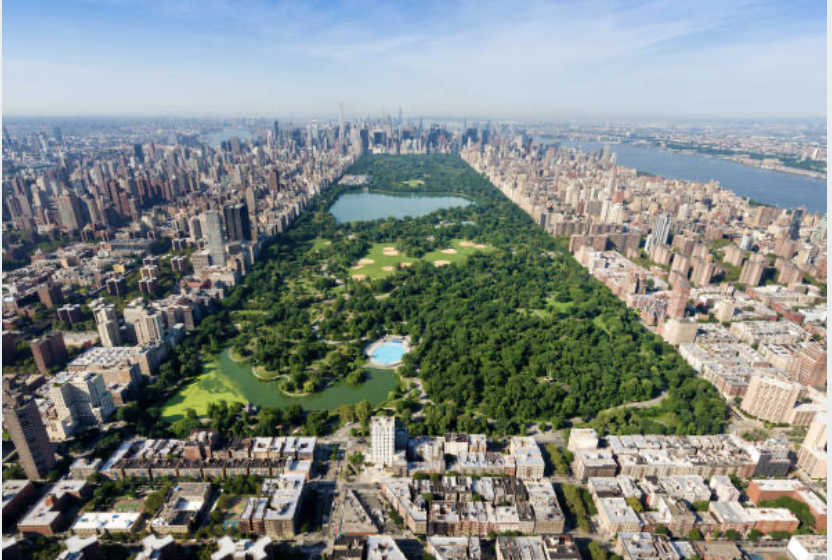
Olmsted’s career in landscape architecture began somewhat serendipitously. In 1857, he was appointed superintendent of Central Park in New York City, a project that would become his first major foray into park design. Partnering with British architect Calvert Vaux, Olmsted co-designed Central Park, which remains one of his most celebrated achievements. The park’s design emphasized naturalistic landscapes, winding pathways, and open meadows, providing urban dwellers with a respite from the bustling city.
Following the success of Central Park, Olmsted and Vaux collaborated on several other notable projects, including Brooklyn’s Prospect Park, Chicago’s Riverside subdivision, and the grounds of the U.S. Capitol in Washington, D.C. Olmsted’s work extended beyond urban parks to include university campuses, such as Stanford University and the University of Chicago, and large-scale projects like the Emerald Necklace in Boston, a network of interconnected parks and greenways.
Olmsted’s approach to landscape design was deeply rooted in his belief that access to nature was essential for physical and mental well-being. He viewed public parks as democratic spaces that could promote social harmony, uplift urban populations, and improve public health. His designs often balanced natural beauty with practical considerations, such as water management and transportation infrastructure.
Olmsted’s influence extended beyond his completed projects. He played a pivotal role in establishing the profession of landscape architecture in the United States and was a founding member of the American Society of Landscape Architects. His writings and designs have inspired generations of landscape architects and urban planners.
In 1859, Frederick Law Olmsted married Mary Cleveland (Perkins) Olmsted, the widow of his brother John, who died in 1857. Olmsted adopted Mary’s three children (his nephews and Niece). Mary became an integral part of Olmsted’s life, supporting him both personally and professionally. The couple had three children of their own: John Charles Olmsted, who would later become a prominent landscape architect; Charlotte Olmsted; and Frederick Law Olmsted Jr., who followed in his father’s footsteps and carried on his legacy.
Olmsted’s personal life was marked by both joy and struggle. He often grappled with health issues, including insomnia and depression, which were exacerbated by the demands of his work. Despite these challenges, he remained deeply committed to his vision of creating public spaces that could enhance the lives of all people.
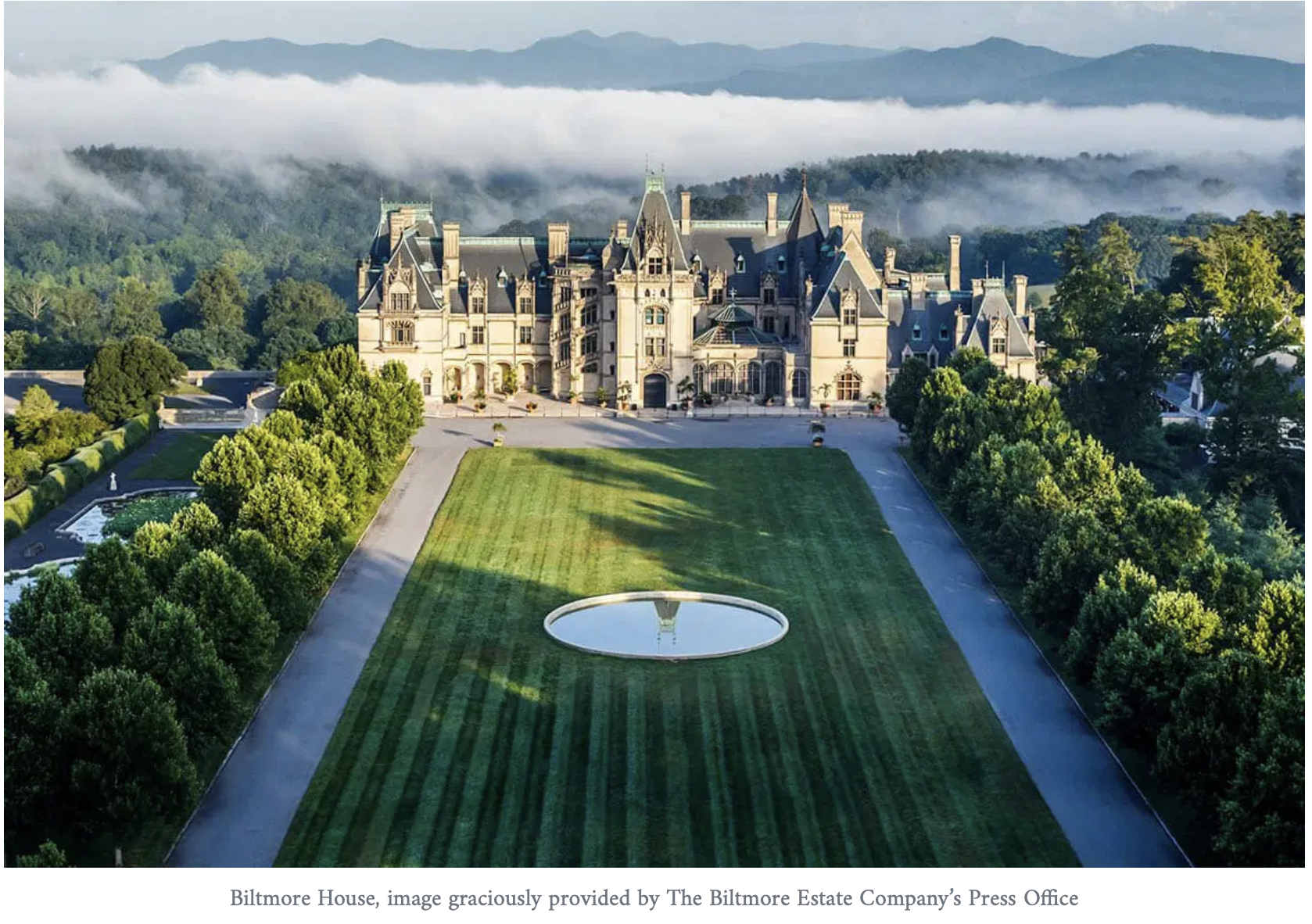
In his later years, Olmsted continued to work on ambitious projects, including the design of the Biltmore Estate in Asheville, North Carolina, and the landscaping for the 1893 World’s Columbian Exposition in Chicago. However, his health began to decline in the 1890s, leading to his retirement.
Frederick Law Olmsted passed away on August 28, 1903, at the McLean Asylum in Belmont, Massachusetts, where he had been receiving care for dementia. He was 81 years old. Olmsted was buried in Hartford, Connecticut, where his life had begun.
Today, Frederick Law Olmsted is remembered as a visionary who reshaped the American landscape and redefined the relationship between nature and urban life. His parks and public spaces continue to serve as vital oases in cities across the United States, embodying his belief in the power of nature to heal and inspire. Olmsted’s legacy lives on through the countless parks, gardens, and greenways that bear his imprint, as well as through the continued work of landscape architects who build on his principles.
Frederick Law Olmsted’s life and work exemplify the transformative potential of visionary design, a legacy that endures in the parks and landscapes that remain a testament to his genius.
New York Central Park