The Murdered Millionaire: William Marsh Rice's
Posthumous University
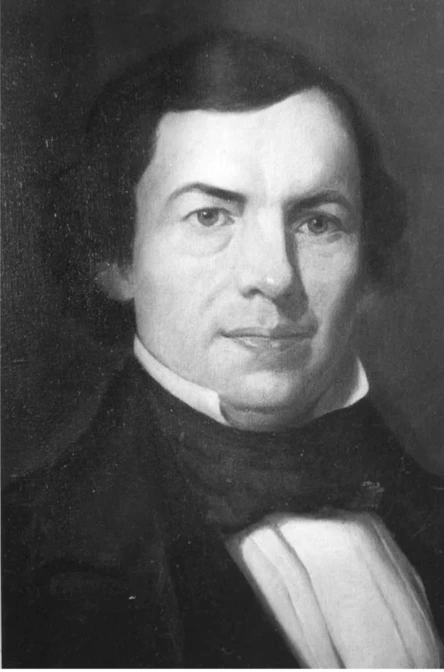
William Marsh Rice’s story reads like a murder mystery. The Springfield, Massachusetts native built a fortune in Texas through cotton, railroads, real estate, and countless other ventures, becoming one of the wealthiest men in the state by 1860. But it was his death—not his life—that secured his educational legacy.
On September 23, 1900, Rice’s valet, Charles Jones, clamped a chloroform-soaked rag over the 84-year-old’s face and murdered him in his Manhattan apartment. Jones was part of a conspiracy orchestrated by one of Rice’s own lawyers, Albert Patrick, to forge the millionaire’s will and steal his fortune. But the plot unraveled. Detectives discovered the forgery, and after more than a million dollars in legal fees, 4.6 million remained to found the institution Rice had dreamed of: a free university in Houston that would rival the greatest institutions in America.
In 1891, Rice had chartered what would become the William M. Rice Institute for the Advancement of Literature, Science, and Art. When it opened in 1912—twelve years after his murder—it fulfilled his vision of a tuition-free institution. The university maintained this promise until 1965, more than half a century of free higher education.
Yet Rice’s legacy is complicated. His will originally mandated that the university serve only white men and women. He had owned fifteen enslaved people and served on Harris County’s Slave Patrol before the Civil War. These troubling aspects of his history led to campus reckonings in recent years, including the 2023 relocation of his memorial statue and remains from the center of campus.
Rice University has become one of America’s premier research institutions, with an eight billion dollar endowment and some of the brightest students in the nation. Faculty members have won Nobel Prizes, and the university continues to provide substantial financial aid, though no longer completely free as its founder intended.