The Threadbare Philanthropist:
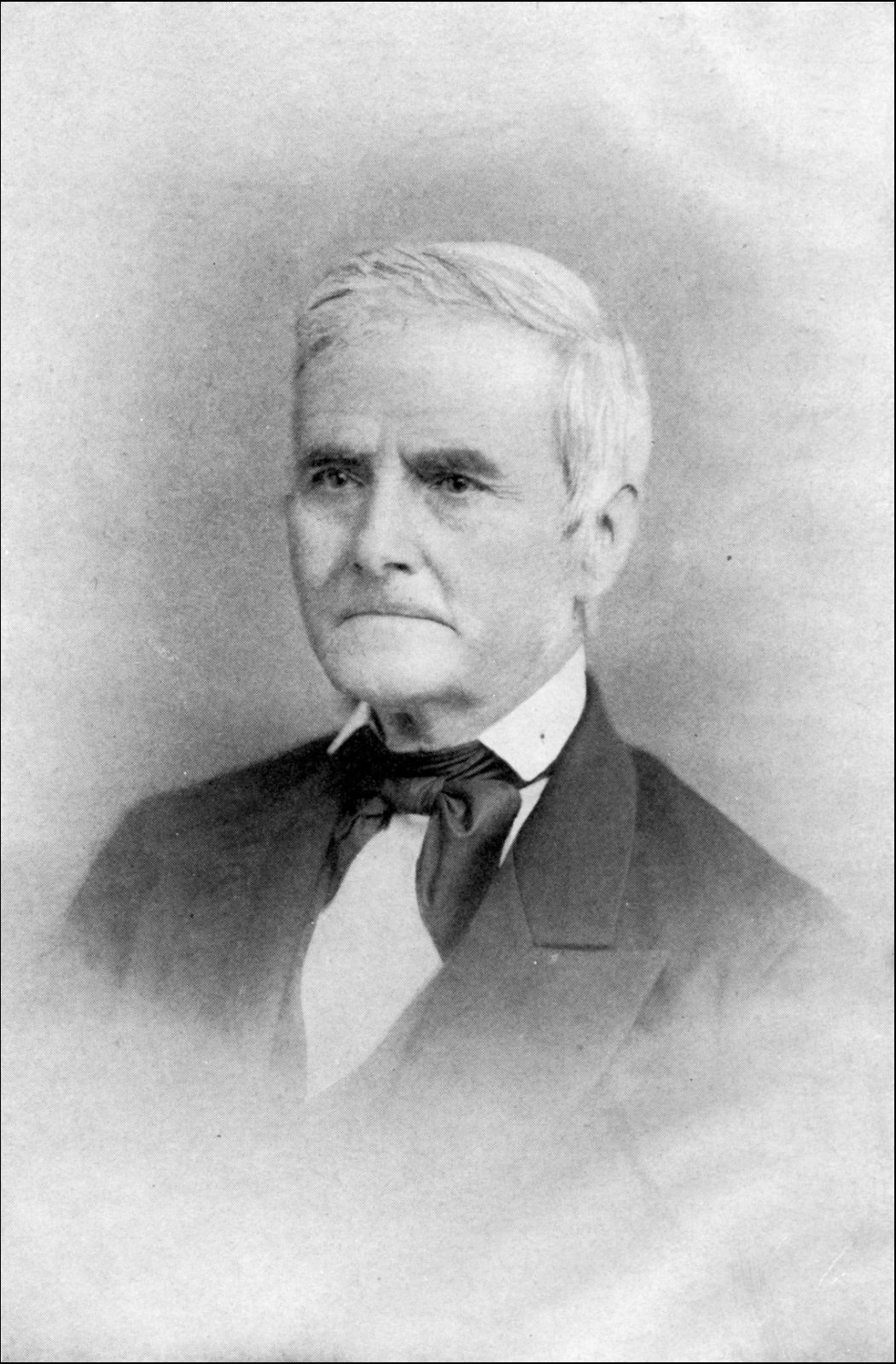
Isaiah Williamson's Character-Driven
Vision
Isaiah Vansant Williamson was a Philadelphia dry-goods merchant who retired wealthy at 35 and spent the rest of his life giving money away—quietly and deliberately. Known locally as the “threadbare philanthropist” for his plain dress, he believed prosperity meant little if boys were left idle, untrained, and morally adrift. What stirred him most were the young men he saw wandering city streets without education or trade. He concluded that charity alone would not change their trajectory; disciplined training would.
In 1888 he endowed the Williamson Free School of Mechanical Trades with $5 million—an extraordinary sum at the time. His design was radical: full scholarships covering tuition, room, and board; a residential campus; structured days; trade instruction combined with academics; and explicit moral formation grounded in Protestant values. Williamson insisted that skill without
character was incomplete. Students would learn carpentry, masonry, machine work, and other trades—but also punctuality, temperance, thrift, and integrity.
He died in 1889, just after approving the campus site near Media, Pennsylvania, never seeing the school open. Yet the institution endured and remains distinctive: a fully funded, residential trades college focused on leadership and craftsmanship. Unlike broader reformers, Williamson concentrated his resources deeply on a small population, betting that transforming individual lives—completely and comprehensively—would yield generational stability. His model was not mass access but intensive formation. More than a century later, it stands as one of the clearest examples of philanthropy aligned to character, skill, and long-term self-reliance.