Lynne Cleveland
1948 - 2022
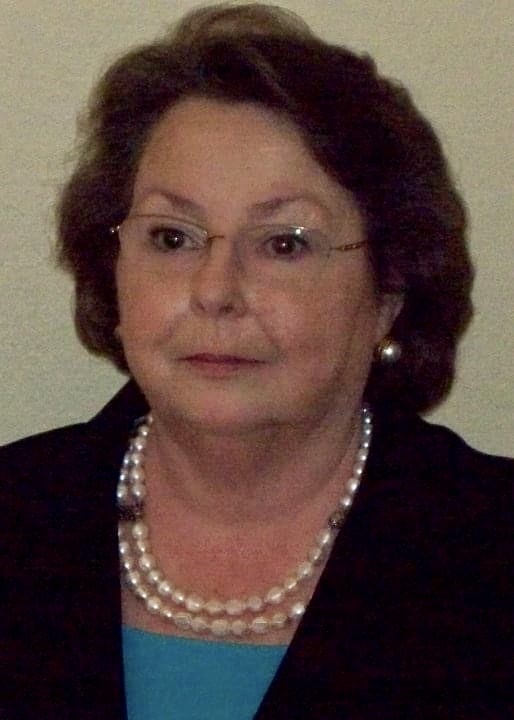
Lynne Cleveland (1948–2022) was a formidable advocate for individuals with intellectual and developmental disabilities (I/DD), whose career spanned decades of service and leadership. Known for her tenacity, compassion, and unwavering dedication to advancing disability rights, Lynne left an indelible mark on the fields of developmental health, advocacy, and research.
Darlene Lynne Artley was born on October 7, 1948, in Pueblo, Colorado, to Milton and Elizabeth Artley. As one of five siblings, she quickly became known for her fierce independence and determination, earning the nickname “the Little General” from her family. After graduating from Rogers High School in 1966, she moved to Houston, Texas where she embarked on a career that would be defined by advocacy, leadership, and groundbreaking work in developmental health. In 1973, she married John Alvin Cleveland, in Houston, TX. However, this marriage only lasted until 1980 when they had an amiable divorce but remained life long good friends.
Lynne’s professional journey began in Houston, Texas, where she worked as a medical research program coordinator at the University of Texas Medical School. In this role, she contributed to several key research initiatives, particularly in the areas of developmental and mental health challenges, including autism and Down syndrome. Over her career, she contributed to dozens of published studies which were published in numerous academic journals, with a strong focus on autism spectrum disorder (ASD), ADHD, and intellectual disabilities. Her work on the treatment effects of methylphenidate on cognitive and behavioral functioning in children with mental retardation and ADHD remains widely cited in academic circles.
Her commitment to research went beyond mere publication. Lynne’s practical insights helped shape the direction of critical studies at the Center for Human Development Research, where she was known for creating feasible research designs that considered the real-world challenges faced by families of individuals with I/DD.
Lynne’s advocacy reached its peak during her presidency of The Arc of the United States from 2008 to 2010, a role in which she championed several transformative initiatives. Under her leadership, The Arc played a pivotal role in advocating for the inclusion of disability protections in the Affordable Care Act (ACA), ensuring that individuals with disabilities had access to essential health benefits and protections against lifetime coverage limits. Lynne’s presidency also saw a significant expansion of self-advocacy programs, empowering individuals with disabilities to take active roles in policy discussions that directly affected their lives.
Lynne also strengthened family support networks, ensuring that caregivers had access to critical resources, particularly during transitions from school to adulthood for individuals with I/DD. Her work in fostering community-based living was instrumental in pushing back against institutionalization, advocating instead for policies that promoted independent living in inclusive settings.
Lynne’s efforts extended far beyond The Arc. She held leadership positions with the MHMRA of Harris County (now The Harris Center), where she served as Chair of the Board of Trustees, and was involved in numerous local and national organizations, including the Texas Council on Offenders with Medical and Mental Impairments.
One of Lynne’s most cherished accomplishments was the founding of the Candy Cane Ball, nearly 30 years ago, in Houston, Texas. The ball was born out of Lynne’s realization that her adult niece, with Down syndrome had limited social opportunities during the holidays. What started as a small holiday party grew into a beloved annual event, with 700 – 1000 people, providing a joyful, inclusive space for individuals with disabilities and their families to celebrate together. The Candy Cane Ball continues to be a testament to Lynne’s deep commitment to ensuring that individuals with I/DD have access to enriching, inclusive social experiences.
Lynne’s personal life reflected her professional ethos of compassion and care. She shared a deep and lasting love with her husband, Thomas Irwin, whom she married in 1982. Together, they cherished their home, their dogs, and their extended family, unofficially adopting their niece, and cultivating close relationships with their great-nieces and nephews. Lynne’s love for animals extended to her involvement with wildlife foundations, and she remained a steadfast supporter of causes dear to her heart, such as the rehabilitation of primates.
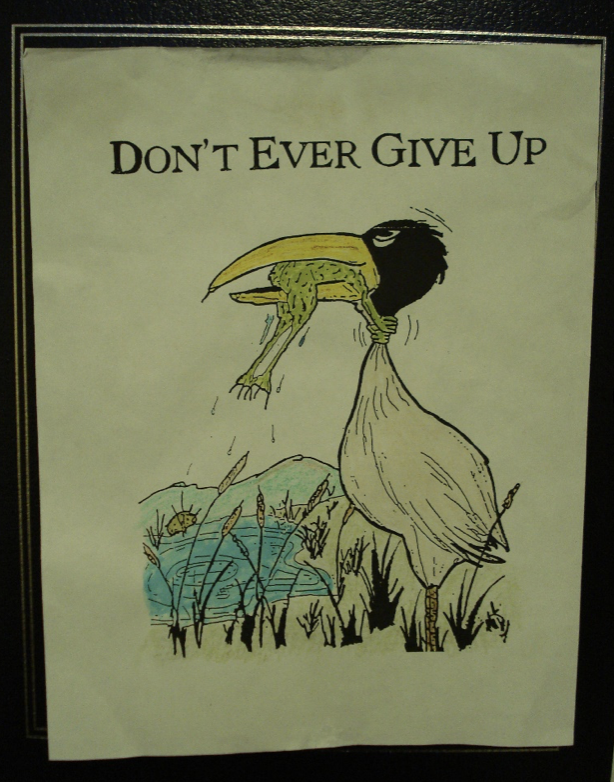
Despite her numerous accolades, which included awards for Disability Advocate of the Year and even the dedication of a Lynne Cleveland Day in Harris County, Lynne remained humble. Most who knew her never realized the full extent of her achievements, as she preferred to store her awards in a box under her desk rather than display them.
Lynne Cleveland was a force of nature—both in her professional life, where she advocated tirelessly for individuals with disabilities, and in her personal life, where her humor, love, and generosity left a lasting impact on all who knew her. Her work with The Arc, the Candy Cane Ball, and her contributions to developmental health research have left a legacy that continues to shape policies and improve the lives of countless individuals. Lynne passed away June 26, 2022 in Bella Vista, Arkansas. Lynne’s life was a testament to the power of dedication, humility, and the relentless pursuit of justice for those who are often overlooked.