The Education Industrialist: John D. Rockefeller's Systematic
Transformation
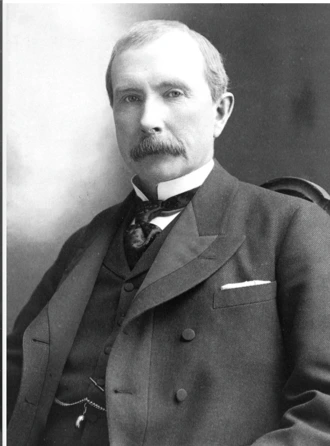
While Carnegie scattered libraries across the landscape, John D. Rockefeller took a different approach: he didn’t just build institutions—he rebuilt the entire system of American education from the ground up.
John D. Rockefeller approached philanthropy as he did business: systematically. Through the General Education Board and later the Rockefeller Foundation, he reshaped American education structurally rather than symbolically.
He invested heavily in Southern education, teacher training, and historically Black institutions, including Spelman College. His founding support for the University of Chicago created a research powerhouse from its inception in 1892. He also funded reforms in medical education following the Flexner Report, helping transform American medicine into a science-based discipline.
Rockefeller preferred results over recognition, often
avoiding personal branding on buildings. His philanthropy targeted systemic weaknesses—undertrained teachers, fragmented medical schools, underfunded universities—and injected capital strategically. By the mid-20th century, his foundations had directed hundreds of millions toward education.
Critics never separated his wealth from Standard Oil’s monopolistic practices. Still, the institutional strength he underwrote endures. Rockefeller’s contribution was structural engineering of educational systems—durable, research-driven, and national in scope.
“God gave me my money,” Rockefeller famously claimed, reflecting a conviction that his wealth was a divine trust to be used for the betterment of humanity. Whether this absolved his business practices remains debated, but the educational institutions he funded are undeniable forces for good.